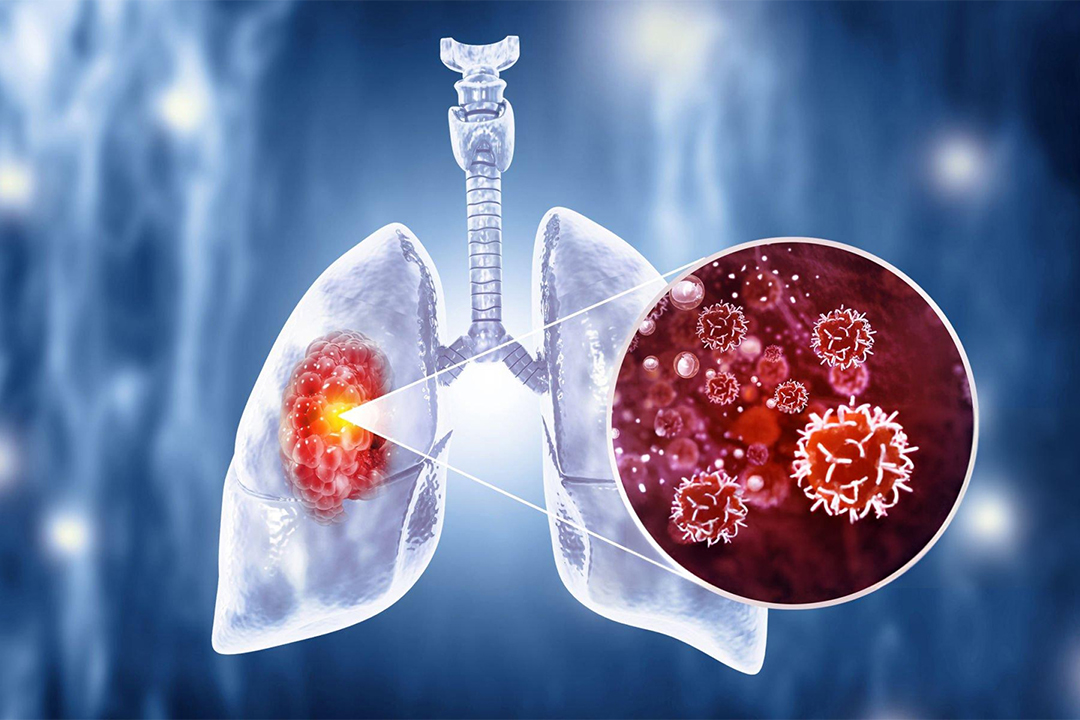
Lung cancer can develop at any age, but it is most commonly diagnosed in older adults, typically those aged 65 and older. There is ample evidence about the risk factors linked to lung cancer, with smoking being the primary causeStill, lung cancer can strike non-smokers as well, and it’s frequently associated with exposure to radon gas, asbestos, second-hand smoke, and other environmental toxins. Lung cancer symptoms might be mild and include breathing difficulties, chest pain, chronic coughing, and unexplained weight loss. Early diagnosis of these symptoms is extremely challenging because they frequently appear gradually and might be confused for other respiratory illnessesGetting a diagnosis might be difficult since many people dismiss early symptoms or think they are just signs of age or other health problems. Regular screenings and awareness of risk factors are crucial for early detection, which can dramatically improve treatment outcomes. Upon diagnosis, the emotional and psychological impact can be profound, affecting not only the patient but also their families and loved ones. Support systems, including counselling and support groups, play a vital role in helping individuals navigate the complex landscape of treatment options, empowering them to make informed choices about their health.